A Comprehensive Guide to Safety and Precision Standards in the UAE Industrial Sector
At the heart of the UAE’s rapidly advancing industrial renaissance, modern technology and machinery stand as the backbone of production. However, this industrial power remains dependent on one critical factor: proper understanding of operation and maintenance.
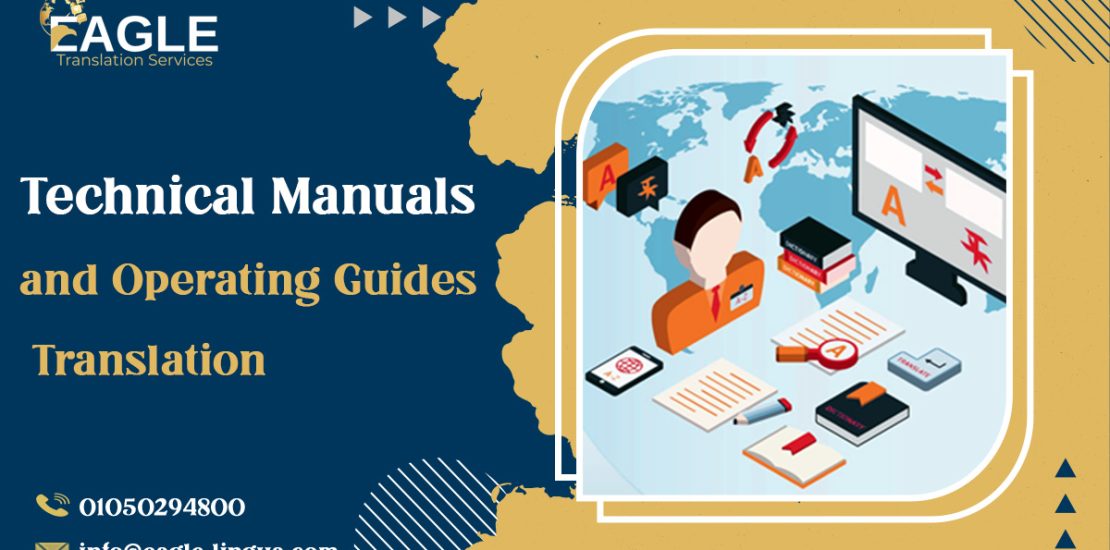
This is where technical manuals and operating guides translation emerges, not as a linguistic luxury, but as an operational necessity that ensures safety, protects assets and enhances productivity. Every word in a technical manual is not just text, it is an operational command that can determine the success or failure of an entire production line.
When factories in Dubai or Abu Dhabi import complex machinery from Germany, Japan or the United States, the first challenge engineers and technicians face is understanding the detailed instructions in user manuals. Localizing these documents requires engineering-level precision, as even a minor error in translating a unit of measurement or safety warning can lead to severe financial losses or workplace accidents.
In this guide, we explore how professional translation contributes to building a safe and efficient industrial environment.
Core of Precision: Why Operating Manuals Leave No Room for Interpretation
Technical manuals translation is one of the most complex fields of specialized translation, combining language expertise with engineering knowledge.
Adhering to safety and precision standards in the industrial sector means that the translator must be fully familiar with technical terminology used by professionals. A term in oil and gas may differ significantly from its equivalent in renewable energy or manufacturing industries.
The risk lies in the fact that technical manuals include installation instructions, operating procedures, maintenance schedules and emergency protocols. Poor or inaccurate translation can create serious safety gaps, violating strict UAE regulations enforced by authorities such as free zones and industrial regulators.
The goal of professional translation is to create a functionally equivalent version, ensuring that an Arabic-speaking technician understands the manual just as clearly as someone reading it in the original language.
Role of Professional Translation in Workplace Safety
The UAE places worker safety as a top priority and accurate translation of technical manuals is the first line of defense against workplace accidents.
Clear and precise translation of safety warnings and preventive instructions eliminates language barriers that may lead to misuse of machinery. This requires direct, unambiguous wording aligned with commonly used industrial terminology in UAE workplaces.
Beyond human safety, accurate translation also protects equipment warranties. Manufacturers often impose strict operational guidelines and any deviation caused by mistranslation may void warranties and result in costly repairs.
In this sense, professional translation is an investment in industrial insurance, safeguarding your capital assets from misuse and operational risks.
A Structured Workflow for High-Quality Technical Translation
Achieving the required level of accuracy demands a strict, methodical process:
- Terminology Management: Extracting and standardizing recurring technical terms to ensure consistency across large documents.
- Engineering-Linguistic Expertise: Translators must have technical backgrounds to fully understand how the machinery operates.
- Visual Alignment: Translating captions, labels and annotations within diagrams and schematics with absolute precision.
- Technical Review: A second expert verifies that translated instructions align with operational logic and safety standards.
Benefits of Technical Localization for Industrial Companies in the UAE
Companies that invest in translating technical manuals gain several strategic advantages:
- Reduced Downtime: Clear maintenance instructions minimize unexpected failures caused by human error.
- Improved Training Efficiency: Localized manuals simplify onboarding and knowledge transfer.
- Compliance with International Standards (ISO): Ensures readiness for audits and inspections.
- Extended Equipment Lifespan: Proper maintenance based on accurate instructions keeps machinery in optimal condition.
Challenges in Industrial Translation and How to Overcome Them
Technical translation presents unique challenges:
- Measurement Units & Numerical Accuracy: Errors in converting units or decimal placement can lead to catastrophic failures (e.g., torque, pressure).
- Continuous Updates: Manuals evolve with machine updates, requiring consistent terminology across versions.
The solution lies in using CAT tools (Computer-Assisted Translation) and maintaining translation memory systems to ensure consistency and accuracy over time.
Return on Investment (ROI) in Technical Quality
The cost of translating technical manuals is minimal compared to equipment costs, yet its impact is massive.
Consider the cost of one hour of downtime in a petrochemical or food processing plant, it can exceed the cost of translating hundreds of manuals.
Professional localization reduces post-sale issues, warranty claims and operational risks. In the UAE, where time equals money, technical clarity is the currency of operational stability.
Leading companies in industrial zones such as ICAD and Dubai Industrial City treat technical documentation as a strategic asset, enhancing their reputation and eligibility for large-scale projects.
Practical Tips for Technical Managers and Procurement Teams
- Request a Sample Translation: Test the translator’s technical understanding before committing.
- Provide Editable Files: Formats like InDesign or CAD improve diagram accuracy and layout.
- Prioritize Safety Manuals: If budgets are limited, start with emergency and safety guides.
- Ensure Local Relevance: Use terminology aligned with UAE industry standards.
Frequently Asked Questions (FAQ)
Q1: What is the difference between general and technical translation?
General translation conveys meaning, while technical translation conveys specifications, requiring engineering knowledge and compliance with safety standards.
Q2: Is certified translation required for technical manuals in the UAE?
Yes, especially when submitting documents to regulatory authorities for compliance or licensing.
Q3: How do translation errors impact workplace safety?
A single error in procedures like Lockout/Tagout or chemical ratios can lead to explosions, leaks or electrical hazards.
Q4: Why can’t engineers translate manuals themselves?
Engineers have technical expertise but may lack the linguistic precision needed for clear, structured communication. Translation is a specialized discipline.
Q5: Does technical translation include HMI interfaces?
Yes, full localization includes both printed manuals and digital control interfaces for a consistent user experience.
Precision in Words Builds Industrial Excellence
Industrial success in the UAE is not just about acquiring advanced machinery, it’s about mastering how to operate it safely and efficiently.
Technical manuals and operating guides translation serves as the bridge between global technology and local workforce capabilities.
Do not let language become a barrier to your industrial ambitions. Invest in professional translation that transforms your manuals into powerful operational tools, ensuring safety, efficiency and long-term success.
Your precision today is what protects your assets and builds your achievements tomorrow